Corn pellet stove systems offer a revolutionary and cost-effective solution for heating your home. These innovative systems utilize corn pellets as a renewable and efficient fuel source. By switching to a corn pellet stove system, you can experience significant advantages in terms of cost savings, environmental friendliness, and convenience.
The Advantages of Corn Pellet Stove Systems
Switching to a corn pellet stove system brings several advantages that make it an appealing choice for homeowners. One of the main benefits is cost savings. Corn pellets are an affordable fuel option, especially compared to traditional heating methods like oil or propane. By using corn pellets, you can potentially save a significant amount on your heating expenses. For more information on how corn pellet stoves can help you save, check out our article on cutting heating costs up to 50% with corn powered pellet stoves.
In addition to cost savings, corn pellet stove systems are also environmentally friendly. Corn is a renewable resource that produces fewer greenhouse gas emissions compared to fossil fuels. By choosing a corn pellet stove system, you can reduce your carbon footprint and contribute to a cleaner and greener environment. To learn more about the environmental benefits of corn pellet stoves, visit our article on environmentally friendly heating: why choose a corn pellet stove?.
How Corn Pellet Stove Systems Work
Corn pellet stove systems operate by burning corn pellets to produce heat. These pellets are made from compressed corn kernels and provide a consistent and controlled fuel source for the stove. The corn pellets are loaded into a hopper, which automatically feeds them into the stove’s combustion chamber as needed. The stove’s internal mechanisms regulate the burning process to ensure optimal heat output.
The heat generated by burning corn pellets is then distributed throughout your home using a fan or forced air system. This allows for even and efficient heating of your living space. Some advanced corn pellet stove systems even come with thermostats and programmable settings, providing you with precise control over the temperature in your home.
By understanding the advantages and inner workings of corn pellet stove systems, you can make an informed decision about whether to switch to this innovative heating solution. In the following sections, we will dive deeper into the benefits of switching to corn pellet stove systems, considerations before making the switch, and the different types of corn pellet stoves available.
Benefits of Switching to Corn Pellet Stove Systems
Switching to a corn pellet stove system offers several advantages that make it an appealing option for homeowners. From cost savings to environmental benefits, let’s explore the key benefits of making the switch.
Cost Savings
One of the primary advantages of using a corn pellet stove system is the potential for significant cost savings. Traditional heating methods, such as oil furnaces or electric heaters, can be expensive to operate, especially during cold winter months. In contrast, corn pellets used as fuel for pellet stoves are generally more cost-effective. They are often more affordable compared to other heating fuels, such as propane or oil. Additionally, corn pellet stoves are known for their high efficiency, which means they can produce more heat per unit of fuel. This efficiency can result in lower heating bills, allowing you to save big on your energy costs. Check out our article on cut your heating costs in half with our energy efficient corn stove for more information.
Environmentally Friendly
Another compelling reason to switch to a corn pellet stove system is its environmental friendliness. Corn pellets are a renewable source of energy, as corn is a widely available crop. By using corn pellets as fuel, you contribute to reducing greenhouse gas emissions compared to fossil fuel-based heating systems. Corn is also considered a carbon-neutral fuel, as the carbon dioxide emitted during combustion is offset by the carbon absorbed when the corn is grown. This makes corn pellet stoves an eco-friendly choice for heating your home. For more information on the environmental benefits of corn pellet stoves, visit our article on go green and save green with eco-friendly corn pellet stoves.
Convenience and Ease of Use
Corn pellet stove systems are designed with convenience and ease of use in mind. These systems typically feature automatic ignition, thermostatic controls, and programmable timers, allowing you to easily regulate the temperature and schedule heating cycles according to your preferences. Additionally, corn pellets can be conveniently stored in bulk, requiring less frequent refilling compared to other fuel sources. The clean-burning nature of corn pellets also means less residue and minimal ash to clean up. This makes corn pellet stoves a hassle-free option for heating your home. For more details on the convenience and ease of use of corn pellet stoves, read our article on enjoy worry-free heating with our easy to maintain corn burning stove.
By switching to a corn pellet stove system, you can reap the benefits of cost savings, environmental friendliness, and convenience. Before making the switch, it’s important to consider factors such as installation requirements, maintenance, and the availability of corn pellets in your area. Once you’ve weighed these considerations, follow the necessary steps to ensure a smooth transition. Discover the many advantages of corn pellet stoves and start enjoying affordable, eco-friendly, and hassle-free heating.
Understanding Corn Pellets
To fully comprehend the benefits of a corn pellet stove system, it’s essential to understand what corn pellets are and their availability and cost.
What are Corn Pellets?
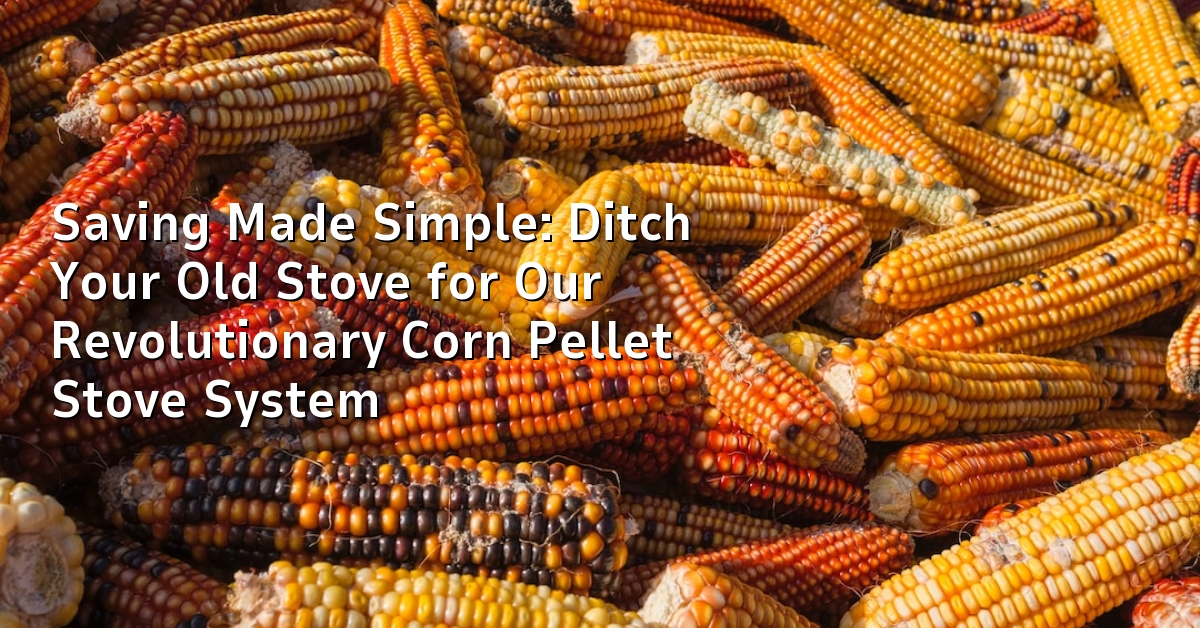
Corn pellets, also known as maize pellets, are small cylindrical pieces made from compressed corn kernels. They are a renewable and eco-friendly alternative to traditional heating fuels like wood, oil, or propane. The use of corn pellets as a heating source has gained popularity due to their high energy content and sustainable nature. These pellets are specifically designed for use in corn pellet stove systems, providing efficient and clean-burning heat for residential spaces.
Corn pellets are typically produced by processing corn kernels through a pellet mill, which compresses them into uniform pellets. No additives or binding agents are required during the production process, making corn pellets a chemical-free heating option. The pellets are dense and produce minimal ash, reducing the need for frequent cleaning.
Availability and Cost
Corn pellets are readily available in many regions, especially in areas where corn is abundant. They can be purchased from local retailers, farm supply stores, and online suppliers. The cost of corn pellets may vary depending on factors such as location, demand, and seasonal fluctuations. However, corn pellets generally tend to be more affordable compared to other heating fuels, such as oil or propane.
It’s important to note that the availability of corn pellets might be influenced by local agricultural practices and the proximity of corn-producing regions. Before switching to a corn pellet stove system, it’s advisable to ensure a consistent supply of corn pellets in your area.
By understanding what corn pellets are and their availability and cost, you can make an informed decision about adopting a corn pellet stove system. The use of corn pellets as a heating fuel offers numerous benefits, such as cost savings, environmental friendliness, and convenience. To learn more about the advantages of switching to a corn pellet stove system, explore our article on save big by switching to our revolutionary corn pellet stove system.
Considerations Before Switching
Before making the switch to a revolutionary corn pellet stove system, there are several important considerations to keep in mind. These include installation requirements, maintenance and upkeep, and availability of corn pellets.
Installation Requirements
Switching to a corn pellet stove system may require certain installation requirements to ensure proper functionality and safety. It is crucial to consult with a professional installer who can assess your home’s heating needs and determine the most suitable setup for your specific situation. This may include venting requirements, electrical connections, and the availability of corn pellet storage space.
Maintenance and Upkeep
Like any heating system, corn pellet stoves require regular maintenance to ensure optimal performance and longevity. This typically involves cleaning the stove, inspecting and replacing parts if necessary, and removing any accumulated ash or debris. It is important to follow the manufacturer’s guidelines for maintenance and schedule professional service as needed. Regular maintenance will help keep your stove running efficiently and extend its lifespan. To learn more about the maintenance of corn pellet stoves, check out our article on enjoy worry-free heating with our easy-to-maintain corn burning stove.
Availability of Corn Pellets
Before switching to a corn pellet stove system, it is essential to consider the availability and cost of corn pellets in your area. Corn pellets are typically available at local heating supply stores or can be purchased online. However, it is crucial to ensure a consistent supply of high-quality corn pellets to fuel your stove throughout the heating season. Research the availability and cost of corn pellets in your region to ensure they are easily accessible and fit within your budget. For more information on the benefits of corn pellet stoves and their availability, refer to our article on affordable, renewable heating: the benefits of corn pellet stoves.
By considering these factors before making the switch to a corn pellet stove system, you can ensure a smooth transition and enjoy the many benefits it offers, including cost savings, environmental friendliness, and convenience. Remember to consult with professionals, conduct thorough research, and assess your specific needs to make an informed decision. Switching to a corn pellet stove system can be a smart and sustainable choice for your home heating needs.
Exploring Corn Pellet Stove Systems
When considering a switch to a corn pellet stove system, it’s important to understand the different types of stoves available and the features and technology to look for. This section will provide an overview of the types of corn pellet stoves and the key factors to consider when choosing one for your home.
Types of Corn Pellet Stoves
- Freestanding Stoves: Freestanding corn pellet stoves are standalone units that can be placed in various locations within the home. They are versatile and can be easily moved if needed. These stoves typically have a traditional or modern design, allowing them to blend well with different interior aesthetics.
- Inserts: Corn pellet stove inserts are designed to fit into existing fireplaces or hearths. They provide an excellent option for homeowners who already have a fireplace but want to switch to a more efficient heating source. Inserts maximize heat output by utilizing the existing fireplace structure while adding the convenience of a corn pellet system.
- Multi-fuel Stoves: Some corn pellet stoves are designed to burn not only corn pellets but also other biomass fuels such as wood pellets or other grains. These multi-fuel stoves provide flexibility in fuel choice, allowing homeowners to switch between different fuel types depending on availability and personal preference.
Features and Technology to Look For
When exploring corn pellet stoves, there are several features and technologies to consider for optimal performance and convenience:
- Automatic Ignition: Look for a stove that offers automatic ignition, eliminating the need for manual lighting. This feature simplifies the process and ensures a hassle-free start-up.
- Adjustable Heat Output: Opt for a stove with adjustable heat output settings. This enables you to control the amount of heat generated, ensuring comfort in different weather conditions and avoiding unnecessary energy consumption.
- Thermostat Control: Stoves equipped with thermostat control allow for precise temperature regulation. This feature ensures consistent heat delivery and helps maintain a comfortable environment without constant manual adjustments.
- Programmable Timers: Stoves with programmable timers enable you to schedule the stove’s operation based on your daily routine. This functionality allows for energy-efficient usage and ensures a warm home when you need it.
- Remote Control: Consider a stove with a remote control feature for added convenience. With a remote control, you can adjust settings from a distance, eliminating the need to constantly approach the stove to make changes.
- Ash Management System: Look for a stove with an efficient ash management system that makes ash removal easy and convenient. Some stoves feature self-cleaning mechanisms or ash pans that can be easily emptied.
When researching corn pellet stoves, it’s beneficial to explore different models and compare their features to find the one that best suits your needs. Keep in mind that the availability of specific features may vary depending on the manufacturer and model. For more information on the benefits of corn pellet stoves and making the switch to this efficient heating system, refer to our article on save big by switching to our revolutionary corn pellet stove system.
Making the Switch to Corn Pellet Stove Systems
If you’re looking to save big on heating costs while enjoying the benefits of an eco-friendly and convenient heating solution, it may be time to consider switching to a corn pellet stove system. Before making the transition, there are several factors to consider and steps to take for a smooth and successful switch.
Factors to Consider
- Heating Needs: Evaluate your heating needs by considering the size of your space and the climate in your area. This will help determine the appropriate size and capacity of the corn pellet stove system you’ll need.
- Availability of Corn Pellets: Ensure that corn pellets are readily available in your area. Check with local suppliers or retailers to confirm availability and cost.
- Installation Requirements: Understand the installation requirements for a corn pellet stove system. This may include venting and electrical considerations. Consult with a professional installer to ensure proper installation and compliance with safety regulations.
- Maintenance and Upkeep: Familiarize yourself with the maintenance requirements of a corn pellet stove system. Regular cleaning and inspection are necessary to ensure optimal performance and safety. Learn more about the maintenance process in our article on enjoy worry-free heating with our easy to maintain corn burning stove.
Steps to Take for a Smooth Transition
- Research: Gather information about different corn pellet stove systems available in the market. Compare features, technologies, and prices to find the one that best fits your needs. Consider factors such as energy efficiency, heat output, and ease of use.
- Consultation: Seek advice from professionals in the industry, such as heating and ventilation experts or experienced installers. They can provide valuable insights and recommendations based on your specific requirements.
- Budget Planning: Evaluate the cost of purchasing and installing a corn pellet stove system, including any necessary modifications to your existing heating infrastructure. Consider the potential long-term savings on heating costs to determine if the investment aligns with your budget.
- Installation and Set-up: Once you’ve chosen a corn pellet stove system, schedule the installation with a professional installer. Ensure that all necessary permits and safety protocols are followed during the installation process.
- Learning and Adjusting: Take the time to familiarize yourself with the operation and maintenance of your new corn pellet stove system. Read the manufacturer’s instructions and consult resources such as user manuals and online guides. Make necessary adjustments to temperature settings, fuel consumption, and other features based on your comfort and energy-saving goals.
By carefully considering the factors involved and following the steps outlined above, you can make a successful transition to a corn pellet stove system. Remember, the benefits of cost savings, environmental friendliness, and convenience make it a compelling choice for many households. Switching to a corn pellet stove system may be the key to achieving efficient and sustainable heating for your home.

- The Complete Guide to Boiler Servicing in Guildford: What Every Homeowner Should Know - April 4, 2026
- Effective Strategies for Vacant Property Management - February 20, 2024
- Advancements in CNS Therapeutics: Current Trends and Future Directions - November 8, 2023