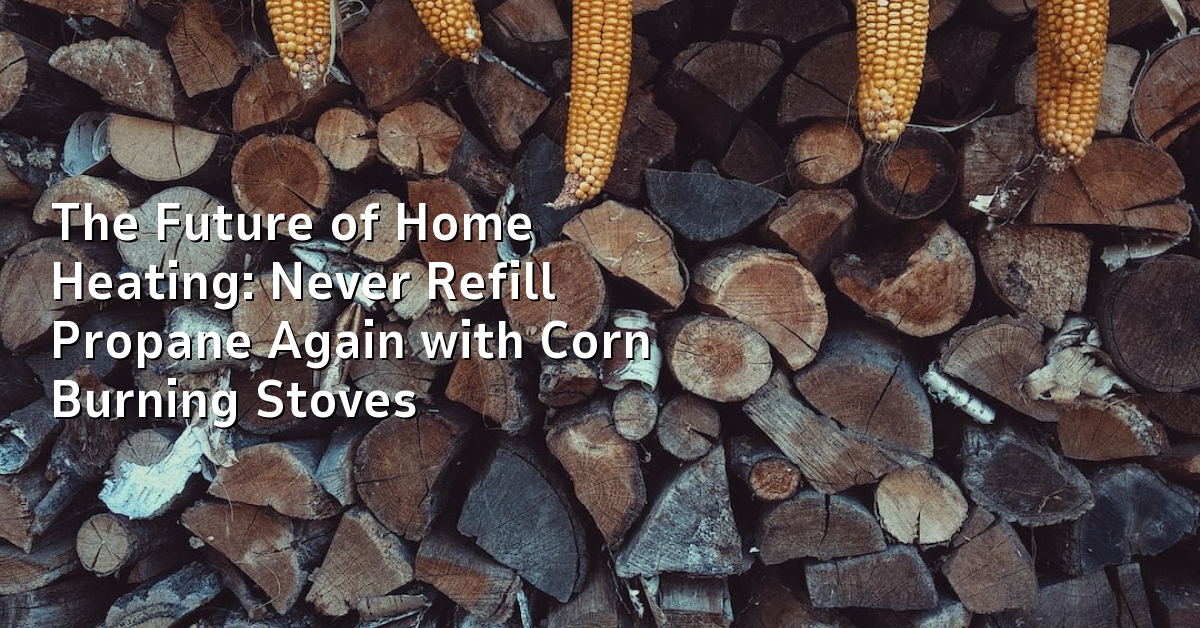
As technology continues to advance, so does the way we heat our homes. One innovation in home heating that has gained popularity is the maize stove system, which utilizes corn as a renewable energy source.
Introduction to Maize Stove Systems
Maize stove systems are designed to provide efficient and sustainable heating for residential spaces. These systems utilize corn pellets as a fuel source instead of traditional methods such as propane or oil. By burning corn pellets, homeowners can enjoy a steady supply of heat without the need to constantly refill their propane tanks. This revolutionary approach to home heating offers numerous benefits, making it an attractive option for many households.
Advantages of Corn Burning Stoves
There are several advantages to using corn burning stoves as a home heating solution. Let’s explore some of the key benefits:
- Cost Savings: By switching to a corn burning stove, homeowners can experience significant cost savings. Corn pellets are generally more affordable than traditional heating fuels like propane or oil. Additionally, the efficiency of corn burning stoves can help reduce overall heating costs, allowing homeowners to save money in the long run. To learn more about how corn burning stoves can cut your heating costs, visit our article on cutting heating costs up to 50% with corn powered pellet stoves.
- Renewable Energy Source: Corn is a renewable resource, which means that it can be replenished naturally over time. This makes corn burning stoves an environmentally friendly choice for home heating. By utilizing a renewable energy source, homeowners can reduce their dependence on non-renewable fuels and contribute to a more sustainable future. To learn more about the environmental benefits of corn burning stoves, visit our article on go green and save green with eco-friendly corn pellet stoves.
- Reduced Carbon Footprint: Corn burning stoves produce lower carbon emissions compared to traditional heating methods. With concerns about climate change and air pollution on the rise, reducing carbon footprint has become a priority for many homeowners. By choosing a corn burning stove, individuals can enjoy the warmth and comfort of a well-heated home while minimizing their impact on the environment. To learn more about the benefits of corn burning stoves for the environment, visit our article on environmentally friendly heating: why choose a corn pellet stove?
By embracing the advancements in home heating technology, homeowners can take advantage of the numerous benefits offered by maize stove systems. Corn burning stoves provide a cost-effective, renewable, and environmentally friendly solution for keeping homes warm and cozy. To determine if a corn burning stove is the right choice for your home, consider factors such as your heating needs, installation requirements, and safety precautions.
How Corn Burning Stoves Work
Corn burning stoves, also known as maize stove systems, offer an innovative and efficient solution for home heating. Understanding how these stoves work and their key components is essential for harnessing their benefits.
Understanding the Combustion Process
Corn burning stoves utilize a process known as combustion to generate heat. Combustion occurs when corn kernels are ignited and burned, releasing energy in the form of heat. This heat is then harnessed and distributed to warm your home.
The combustion process in corn burning stoves involves several stages:
- Ignition: The stove is started by igniting the corn kernels, either manually or with the help of an automatic ignition system.
- Combustion Chamber: The corn kernels are fed into a combustion chamber within the stove. As the kernels burn, they produce heat and gases, including carbon dioxide and water vapor.
- Heat Exchanger: The heat generated from the combustion process is transferred to a heat exchanger. The heat exchanger helps to maximize the efficiency of the stove by capturing and distributing the heat to the surrounding air.
- Blower System: A blower system, typically powered by electricity, blows the heated air from the heat exchanger into the living spaces of your home, effectively providing warmth.
- Exhaust System: The byproducts of combustion, such as gases and ash, are safely vented out of the stove through an exhaust system.
Key Components of Maize Stove Systems
Maize stove systems consist of several key components that work together to ensure efficient operation:
- Fuel Hopper: The fuel hopper is where the corn kernels are stored. It is designed to hold a sufficient amount of corn to provide continuous heat for an extended period.
- Feed Mechanism: The feed mechanism, such as an auger or a gravity-fed system, transfers the corn kernels from the hopper to the combustion chamber, ensuring a steady supply of fuel.
- Control Panel: The control panel allows you to adjust various settings, such as temperature and fan speed, to customize the heating experience according to your preferences.
- Ash Pan: As the corn kernels burn, residual ash is produced. The ash pan collects this ash, making it easy to remove and dispose of when needed.
- Safety Features: Maize stove systems are equipped with safety features, such as temperature sensors and automatic shutdown mechanisms, to ensure safe operation and prevent overheating.
Understanding the combustion process and the key components of maize stove systems is essential for making an informed decision about incorporating this innovative heating solution into your home. By exploring the advantages and considering the considerations associated with corn burning stoves, you can determine if this heating option aligns with your needs.
Efficiency and Environmental Benefits
When considering the future of home heating, corn burning stoves stand out for their remarkable efficiency and environmental benefits. These innovative systems provide a sustainable alternative to traditional heating methods, offering a range of advantages that go beyond mere warmth.
Renewable Energy Source
Corn burning stoves utilize corn pellets as a fuel source, which are derived from renewable and abundant corn crops. Unlike fossil fuels such as propane or oil, corn is a sustainable resource that can be replenished each year through agricultural practices. By harnessing this renewable energy source, homeowners can reduce their reliance on non-renewable fuels and contribute to a greener, more sustainable future.
Reduced Carbon Footprint
Corn burning stoves have a significantly lower carbon footprint compared to fossil fuel-based heating systems. The combustion of corn pellets produces less carbon dioxide (CO2) emissions, a major contributor to climate change. By choosing a corn burning stove, homeowners can actively reduce their impact on the environment and help mitigate global warming.
Additionally, corn is considered a carbon-neutral fuel source. The carbon dioxide released during combustion is roughly equivalent to the amount absorbed by the corn plants during their growth cycle. This carbon neutrality further enhances the environmental benefits of corn burning stoves.
Cost Savings
Aside from their environmental advantages, corn burning stoves offer compelling cost-saving benefits. The affordability of corn pellets compared to traditional fuels like propane or oil allows homeowners to heat their homes for less. By making the switch to a corn burning stove, individuals can potentially cut their heating costs in half. For more information on how corn burning stoves can save you money, check out our article on cut your heating costs in half with our energy efficient corn stove.
In addition to the direct cost savings, some regions may offer financial incentives or tax credits for adopting renewable energy systems. These incentives can further offset the initial investment in a corn burning stove, making it an even more attractive option for homeowners.
By embracing the efficiency and environmental benefits of corn burning stoves, homeowners can enjoy reliable heating while reducing their carbon footprint and potentially saving on heating costs. If you’re considering a corn burning stove for your home, it’s important to understand the installation requirements, safety precautions, and maintenance needs associated with these systems. Explore our article on safely heat your home for less with our chemical-free corn stoves to learn more about these considerations.
Considerations for Corn Burning Stoves
Before installing a corn burning stove in your home, it’s important to consider several factors to ensure a successful and safe experience. Here are some key considerations to keep in mind:
Installation Requirements
Installing a corn burning stove requires careful planning and compliance with local building codes and regulations. It’s essential to consult with a professional heating contractor or stove installer who can assess your specific needs and guide you through the installation process.
Some important installation considerations include:
- Ventilation: Corn burning stoves require proper ventilation to release combustion gases. This may involve installing a venting system or connecting the stove to an existing chimney or flue.
- Clearances: Ensure that the stove is positioned a safe distance away from combustible materials, such as furniture, curtains, or walls. Adhering to the manufacturer’s recommended clearances is crucial for safety.
- Fuel Storage: Corn burning stoves require a storage space for corn pellets. Consider the space requirements for storing the pellets and ensure easy access for refilling.
Safety Precautions
When using a corn burning stove, it’s important to prioritize safety to prevent accidents and ensure the well-being of your household. Here are some safety precautions to follow:
- Carbon Monoxide (CO) Detection: Install carbon monoxide detectors near the stove and in sleeping areas to monitor for any potential CO emissions. Regularly check the batteries and ensure they are functioning properly.
- Fire Safety: Keep a fire extinguisher nearby and ensure it is in good working condition. Establish a fire safety plan and educate all household members on how to respond in case of a fire.
- Child Safety: If you have children or pets, take extra precautions to prevent accidents. Consider installing safety gates or barriers to restrict access to the stove.
Maintenance and Upkeep
To maintain the efficiency and longevity of your corn burning stove, regular maintenance is essential. Here are some maintenance tasks to keep in mind:
- Cleaning: Regularly clean the stove and its components to remove any ash or residue. Follow the manufacturer’s guidelines for cleaning frequency and procedures.
- Inspection: Schedule annual inspections by a professional to ensure the stove is operating correctly and to identify any potential issues.
- Pellet Quality: Use high-quality corn pellets that are free from moisture and impurities. Poor-quality pellets can affect the stove’s performance and may lead to more frequent maintenance requirements.
By considering these factors, you can ensure a smooth and safe experience with your corn burning stove. Remember to consult with professionals and refer to the manufacturer’s guidelines for specific installation, safety, and maintenance requirements. For more information on the benefits and features of corn burning stoves, explore our article on never refill propane again with our efficient corn burning stoves.
Is a Corn Burning Stove Right for You?
When considering alternative options for home heating, it’s important to assess your specific needs and evaluate whether a corn burning stove is the right choice for you. Here are some factors to consider:
Assessing Your Heating Needs
Start by evaluating your heating requirements. Consider the size of your home, the climate in your area, and the insulation of your house. Corn burning stoves are best suited for moderate to large spaces, as they can efficiently heat a substantial area. If you have a smaller home or only need to heat specific rooms, alternative heating options may be more suitable.
Factors to Consider
Here are some key factors to consider when deciding if a corn burning stove is the right fit for your heating needs:
- Availability of Corn: Corn burning stoves rely on corn pellets as fuel. Assess the availability and cost of corn pellets in your area. This will ensure a steady supply of fuel for your stove throughout the heating season.
- Cost Considerations: While corn burning stoves can provide cost savings in the long run, it’s essential to evaluate the upfront cost of purchasing and installing a stove. Compare this with the potential savings you can achieve by using a corn burning stove. Our article on cutting heating costs up to 50% with corn powered pellet stoves provides more information on potential savings.
- Environmental Impact: Corn burning stoves are considered a renewable and eco-friendly heating option. They burn clean and release fewer greenhouse gas emissions compared to traditional heating sources. If reducing your carbon footprint is a priority, a corn burning stove may be a suitable choice. Learn more about the environmental benefits in our article on environmentally friendly heating: why choose a corn pellet stove?
Exploring Alternative Options
If a corn burning stove doesn’t align with your heating needs or preferences, there are alternative options worth considering. Some alternatives include:
- Wood Burning Stoves: Wood burning stoves offer a traditional and rustic heating option. They require a steady supply of firewood and regular maintenance. Explore the benefits and considerations of wood burning stoves before making a decision.
- Pellet Stoves: Pellet stoves are similar to corn burning stoves but use pellets made from a variety of materials, including wood, corn, and other biomass. These stoves offer versatility in fuel choice and can be an efficient heating option. Learn more about pellet stoves in our article on save your budget and the planet: choose corn for your pellet stove.
- Gas or Electric Heating Systems: If you prefer a more conventional and hassle-free heating option, gas or electric heating systems may be suitable for your needs. They offer convenience and require minimal maintenance. However, they may not provide the same level of cost savings or environmental benefits as corn burning stoves.
By assessing your heating needs, considering various factors, and exploring alternative options, you can make an informed decision about whether a corn burning stove is the right choice for your home heating. Remember to consult local regulations and seek professional advice during the decision-making process.

- The Complete Guide to Boiler Servicing in Guildford: What Every Homeowner Should Know - April 4, 2026
- Effective Strategies for Vacant Property Management - February 20, 2024
- Advancements in CNS Therapeutics: Current Trends and Future Directions - November 8, 2023